Water stewardship
Drip irrigation, rainwater harvesting, and moisture sensors can reduce water use by up to 40% compared with flood irrigation—while improving consistency of leaf quality.
Harvesting the experience…
Safari Herbs & Spices

Our Impact
Regenerative systems that restore soil, conserve water, and protect biodiversity.
Regeneration
At 1,900 metres near the equator, Safari Herbs benefits from year-round growing conditions—but that privilege comes with responsibility. Our ethical and sustainability programme ensures indoor and outdoor production at Naromoru enhances soil, water, and biodiversity rather than depleting them.
Zero synthetic pesticides. Integrated pest management with beneficial habitats. Compost and organic matter returned to fields. These are audited requirements for partner farms, not optional extras—and they underpin the premium quality our EU, UK, and UAE customers expect.
Soil & inputs
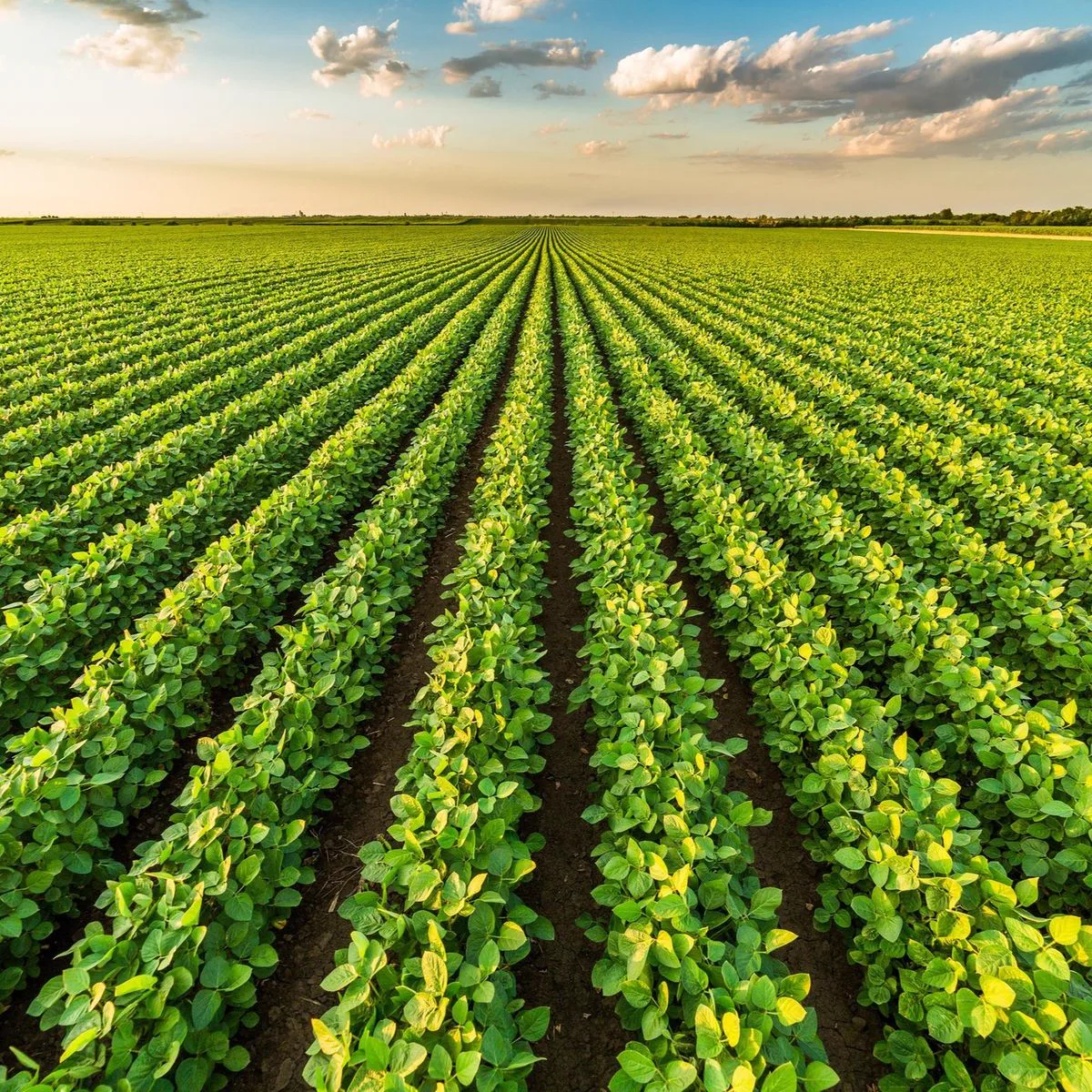
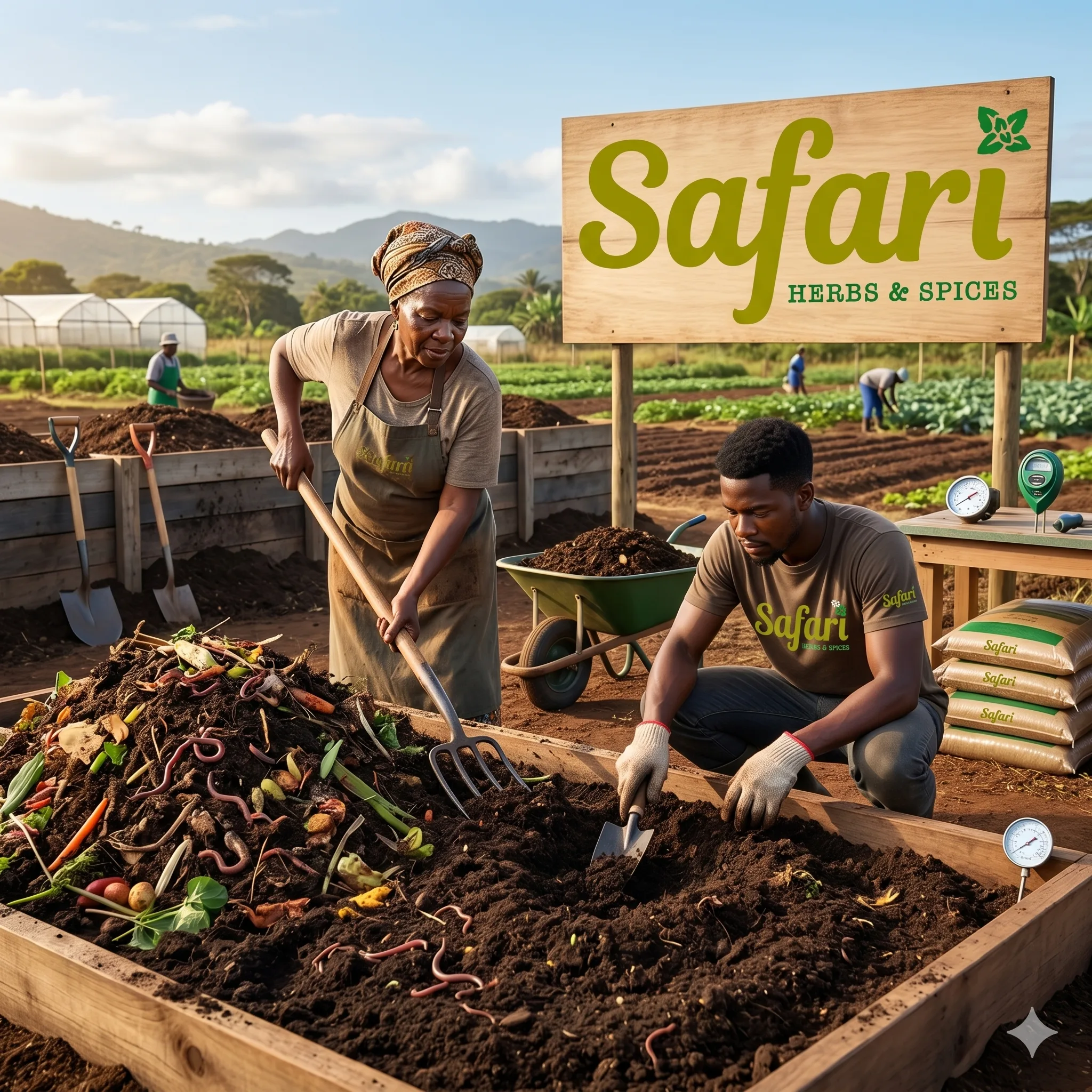
Healthy soil produces aromatic, resilient herbs. We prioritise composting, cover cropping, crop rotation, and biological pest control over chemical shortcuts that compromise export markets and long-term fertility.
Input records track every approved treatment—organic-compliant where required—with buffer zones and withholding periods respected before harvest. Partner growers receive training to interpret pest pressure without reaching for broad-spectrum sprays.
Water & energy
Water is precious in the Mount Kenya highlands. Drip irrigation, rainwater harvesting, and soil-moisture monitoring reduce usage while maintaining the tender leaf quality fresh herbs demand. We measure progress farm by farm—not with vague corporate averages.
Packhouse and cold-room energy use is reviewed for efficiency upgrades. Where viable, we consolidate export loads to reduce food miles and adopt recyclable or reduced-weight packaging that still protects herbs in transit.
Three commitments
Sustainability and ethics are inseparable—healthy land requires fair treatment of everyone who works it.
Drip irrigation, rainwater harvesting, and moisture sensors can reduce water use by up to 40% compared with flood irrigation—while improving consistency of leaf quality.
Consolidated shipments, recyclable packaging, and efficient cold-chain routing minimise emissions per kilogram of herbs exported.
Fair wages, PPE standards, hygiene training, and zero tolerance for child labour—verified through grower agreements and third-party audits.
Buffer plantings, reduced chemical inputs, and habitat corridors support pollinators and natural pest predators across production blocks.
Grade-outs are composted or redirected where possible; packhouse waste streams are segregated and measured for continuous improvement.
Diverse cultivars, protected cropping, and soil-health investments help the farm adapt to shifting rainfall and temperature patterns.
Governance
Policies only matter when they are monitored, audited, and improved.
Environmental and labour policies shared with growers and crews, aligned with Global G.A.P. and organic requirements.
Agronomists document compliance during weekly plot walks and packhouse inspections.
Independent verification through certification bodies and customer-led reviews.
Non-conformities are logged, root-caused, and closed before the next export cycle ships.
Triple bottom line
Safari Herbs pursues sustainable profits so the farm can invest in people and land for the long term—not quarterly extraction. That philosophy shapes how we treat employees, partner growers, and the Naromoru landscape we call home.
Buyers who prioritise ESG performance receive the documentation to back their claims: certification records, traceability data, and honest reporting on where we are still improving.
Fair trade partnershipsSustainable sourcing
Ask about our sustainability reporting, audit schedules, or how we can meet your ESG requirements.